
The African Green Engine: Powering the Global Fleet’s Zero-Emission Horizon
In 2026, the global maritime industry is increasingly turning its gaze toward the African continent. This shift represents a fundamental realignment of the energy supply chain; Africa is no longer merely an export hub for raw materials but is emerging as the global engine room for the green fuels that will power 21st-century commerce.
MOST RECENTENERGY INDUSTRYENERGY POLICYSUSTAINABLE TECHNOLOGIES
Aadesh Aslekar
4/9/20263 min read
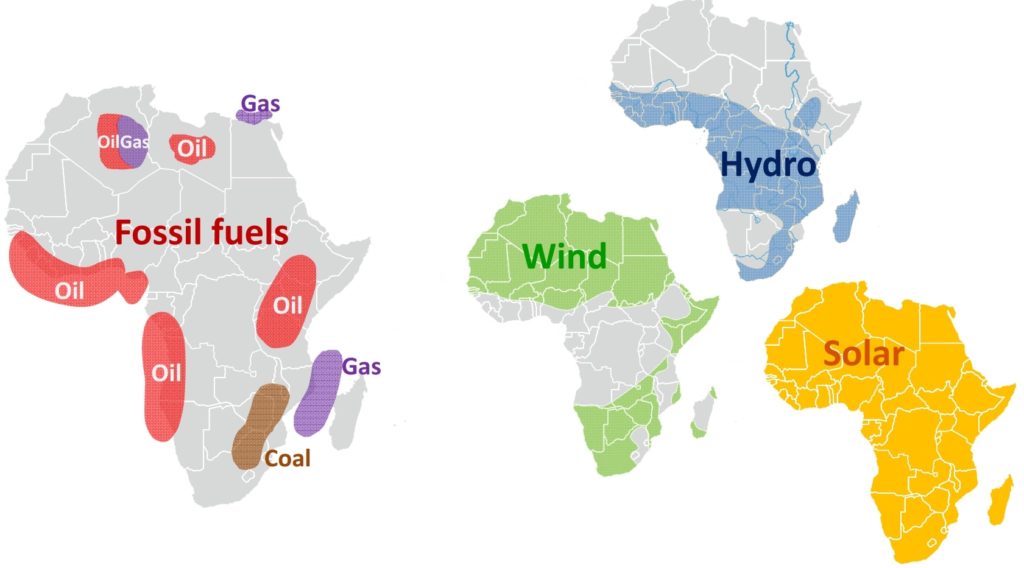
For decades, the standard map of global bunkering where ships stop to refuel has been defined by strategic chokepoints: Singapore, Rotterdam, Fujairah, and Houston. But as the maritime industry transitions away from fossil fuels, that map is being redrawn. In 2026, the fastest-growing fuel hubs are no longer defined by proximity to oil fields, but by proximity to abundant sun, wind, and geothermal energy.
This paradigm shift is positioning the African continent as the indispensable partner in the global race to Net-Zero shipping. The rise of the Africa Green Hydrogen Alliance (AGHA), a coalition of six key nations (Egypt, Kenya, Mauritania, Morocco, Namibia, and South Africa), has created a unified, investable platform that is moving Africa from "potential" to "production."
1. The New Geography of Bunkering
The logic is simple. To produce "green" hydrogen (the feedstock for green ammonia and e-methanol), you need vast amounts of renewable electricity and water. Many African nations possess these resources in abundance, allowing them to produce zero-emission fuels at a cost that is projected to be up to 40% lower than production in Europe or East Asia by 2030.
This cost advantage is creating new strategic hubs along Africa’s 30,000-kilometer coastline:
The Mediterranean Gateway (Morocco & Egypt): These two nations sit at the two most critical maritime crossroads on Earth: The Strait of Gibraltar and the Suez Canal. By developing utility-scale green hydrogen projects (Morocco aims for 0.67 million tons per year by 2030), they are positioning themselves as the primary green refueling stations for the massive Asia-Europe trade lane.
The Atlantic Export Hub (Mauritania & Namibia): With some of the highest solar irradiance and wind speeds on the continent, these nations are focusing on the "export" market. Namibia’s landmark Port of Boegoe Baai is being designed from the ground up as a dedicated green hydrogen and ammonia export terminal, feeding the Green Corridors of Northern Europe.
2. Case Study in Action: The Saldanha-Rotterdam Corridor
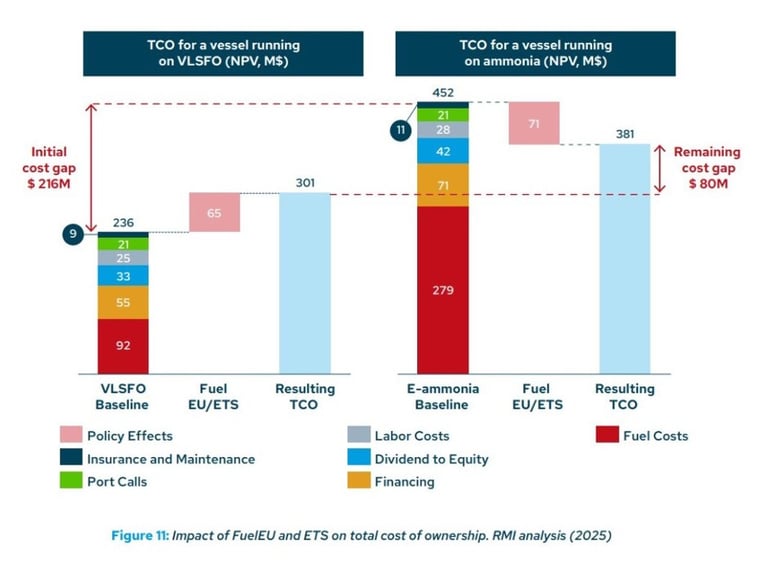
The most concrete example of this new energy dynamic is the Saldanha-Rotterdam Green Corridor. This partnership, solidified in early 2026, is the first large-scale trade route dedicated to the transport of green ammonia from the Global South to the Global North.
The Port of Saldanha Bay, South Africa, is transforming from a traditional iron ore terminal into a world-class clean energy hub. The corridor is not just about moving fuel; it is about validating the entire end-to-end supply chain. By using green ammonia-powered bulk carriers to move South African ore to Dutch steel mills, the project provides the definitive proof that heavy industry can be decarbonized.
3. The Geothermal Edge: Kenya and East Africa
While wind and solar dominate the headlines, Kenya is leveraging a unique asset: the Great Rift Valley. Kenya’s grid is already over 90% renewable, primarily driven by geothermal power. This provides a 24/7 baseload source of clean electricity that is ideal for the constant operation needed by industry scale electrolysis.
Kenya’s National Action Plan, released in early 2026, focuses on developing a domestic green ammonia industry to serve both maritime bunkering at the Port of Mombasa and regional fertilizer production, highlighting how maritime sustainability can drive broader economic development.
4. The 2026 Reality Check: From "Green Hype" to "Green Bankability"
As we navigate through 2026, the maritime and energy sectors are learning a hard lesson: "Green" is a color, but "Bankable" is a requirement. 2025 served as a necessary "filter year" for the industry. We witnessed several high-profile projects stall or withdraw as investors grew wary of "vague" green credentials and the absence of firm offtake agreements. Projects that failed to meet the rigorous CBAM (Carbon Border Adjustment Mechanism) measurable requirements found themselves without the European buyers they desperately needed.
However, this "flight to quality" is exactly why certain African nations are pulling ahead.
The Reliability Factor: Kenya
The Policy Factor: Nations like Egypt and Morocco
Conclusion: Navigating the Next Wave
The "Invisible Giant" of global trade has found its new engine, but that engine requires more than just sunlight and wind; it requires transparency, regulatory alignment, and fiscal realism. The Africa Green Hydrogen Alliance is no longer just a coalition of potential; it is a laboratory for how the Global South can lead a "hard-to-abate" transition.
The journey toward a zero-emission horizon is no longer about who has the most exposure sun, it is about who has the most stable, compliant, and bankable energy ecosystem. In 2026, Africa is proving it can provide all three.
References:
The Africa Green Hydrogen Alliance (AGHA) | Green Hydrogen Organisation
Connect
info@energizetomorrowus.com
© 2026. All rights reserved.